

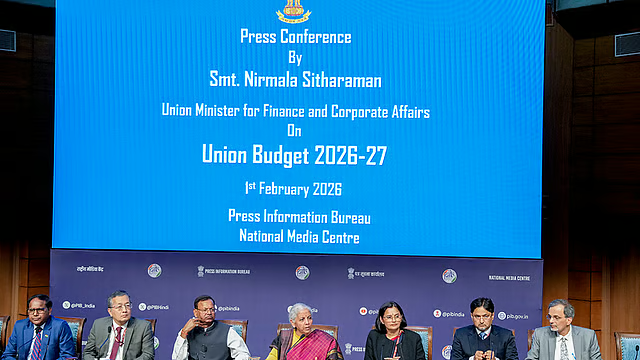
1. Recent Union Budget Highlights and Government Vision
TheUnion Budget for 2026 has been presented and widely discussed across the country. According to government officials, the budget is central to realizing the vision of a developed and resilient India, with strategic allocations for infrastructure, employment, and social welfare. Key sectors such as healthcare, transportation, and agriculture have received significant investment commitments.
The budget includes ambitious capital expenditure plans totaling ₹12.2 lakh crore and a total outlay of around ₹53 lakh crore. Tax relief measures for the middle class and a focus on women’s economic empowerment are among the noteworthy elements of this budget statement.
2. Economic Growth and Policy Reforms
India’s economy has shown robust momentum in recent quarters. Quarter-over-quarter growth reached a six-quarter high, with key contributions from manufacturing and services sectors. Prime Minister Narendra Modi emphasized this performance as a reflection of the country’s ongoing economic reforms and policy focus.
ADVERTISEMENT
Several key economic policy changes are also influencing growth trends:
- Rationalization of the Goods and Services Tax (GST) to simpler two-slab structure aimed at reducing compliance complexity and boosting consumption.
- Expansion of Production-Linked Incentive (PLI) schemes to enhance manufacturing competitiveness and stimulate investment across key industries.
- Financial sector reforms including stakes sale in state-owned entities, with bidders competing for government divestment stakes in banks.
These developments solidify the government’s approach to strengthening economic resilience and attracting foreign investment.
3. Governance, Implementation Challenges, and Accountability
Despite ambitious plans, there are challenges in execution. Recent reports highlight that the government has spent just over 40% of the allotted budget for some major schemes in the first nine months of the fiscal year. This underutilization points to implementation delays and governance hurdles in delivering promised outcomes.
To address such issues, administrative reforms and digital governance initiatives are being prioritized to enhance transparency and accountability in public spending.
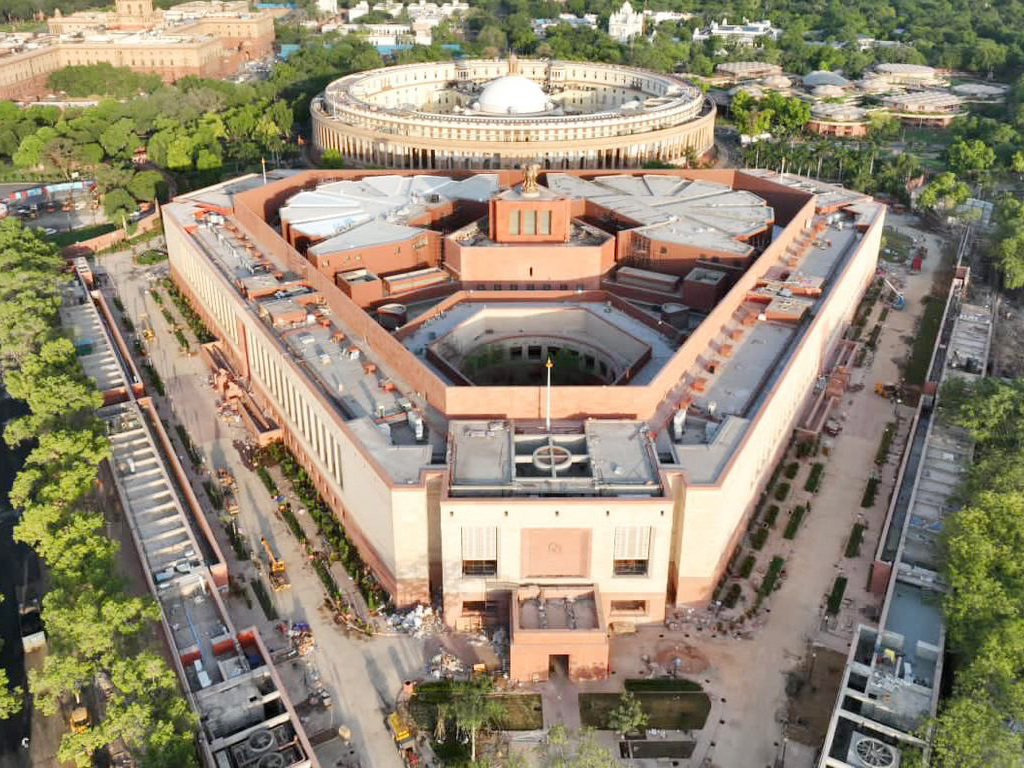
4. Digital Governance and Cybersecurity Initiatives
The government is increasingly leveraging digital platforms to manage services and citizen engagement. A major new cybersecurity policy mandates pre-installation of a government cybersecurity app on all new smartphones sold in India, aiming to strengthen digital safety amidst rising cyber threats.
Additionally, there are ongoing efforts to move government workflows into cloud and AI-enabled environments, facilitating efficiency and data-driven decision-making in public administration.
ADVERTISEMENT
Table of Contents
5. Legal and Tax Reforms
New legal frameworks are also in progress. The Income Tax Act 2025, set to be rolled out from April, intends to simplify tax compliance and modernize India’s tax structure, incorporating digital filing systems and international taxation tools. These reforms align with the government’s push towards a more transparent and taxpayer-friendly regime.
Tax simplification measures, such as GST reform and income tax rebates, are expected to stimulate consumer spending and support macroeconomic stability.
6. Strategic International Engagement
In global affairs, India is forging stronger trade ties with major partners. News highlights landmark trade agreements with the United States and the European Union, signaling a shift toward freer trade relations and global economic integration. These pacts could boost exports and strengthen India’s geopolitical influence.
While the government frames these moves as opening markets and enhancing competitiveness, some analysts and commentators have raised concerns about potential domestic impacts, particularly in sensitive sectors like agriculture.
ADVERTISEMENT
7. National Development Missions and Environmental Focus
The government recently approved a National Mission on Natural Farming aimed at promoting sustainable agriculture practices nationwide. With significant funding allocated, this initiative encourages eco-friendly farming techniques across millions of farms, supporting environmental health and long-term food security.
Alongside this, continuation and expansion of innovation initiatives under programs like the Atal Innovation Mission are geared toward nurturing entrepreneurship and technological advancement.
Conclusion
The current trajectory of Indian government news reflects a multi-faceted governance agenda—balancing economic growth, social welfare, legal reforms, and international engagement. While ambitious budgets and policy innovations showcase a future-focused government blueprint, challenges in execution and effective public delivery remain areas of ongoing attention.
As 2026 unfolds, all eyes are on how these measures translate into tangible improvements across public services, economic outcomes, and India’s global partnerships.
Disclaimer
All news on Hindi Khabra are computer generated and provided by third party sources, so read and verify carefully. Hindi Khabra will not be responsible for any issues.