


Table of Contents
Complete Guide to Intermittent Fasting. In today’s fast-paced world, people are constantly looking for simple and effective ways to stay healthy and fit. One method that has gained massive popularity is Intermittent Fasting.
Unlike traditional diets, intermittent fasting doesn’t focus on what you eat—but when you eat. This makes it easier to follow and highly effective for many people.
But is it really good for you? Let’s explore everything in detail.
ADVERTISEMENT
What is Intermittent Fasting?
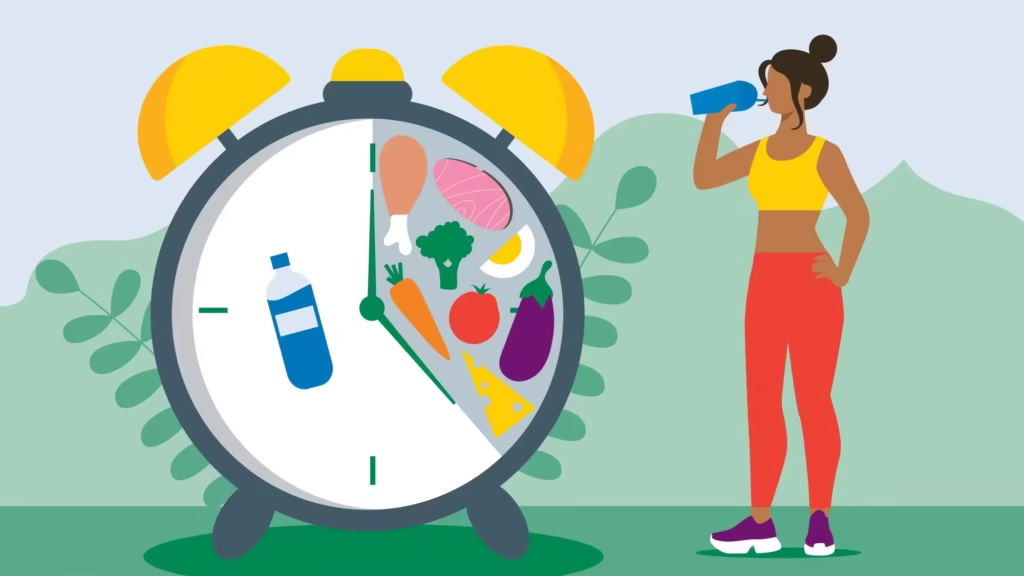
Intermittent dieting (or intermittent fasting) is an eating pattern where you cycle between eating periods and fasting periods.
Example:
- Eat from 12 PM to 8 PM
- Fast from 8 PM to 12 PM next day
During fasting, your body switches from using glucose to burning stored fat.
How Intermittent Fasting Works
When you eat regularly, your body uses sugar (glucose) as energy. But during fasting:
- Insulin levels drop
- Fat burning increases
- Body enters repair mode
This process also activates
Autophagy,
which helps remove damaged cells and improve overall health.
Top Benefits of Intermittent Fasting
1. Effective Weight Loss
Intermittent fasting helps reduce calorie intake and boosts fat burning.
It’s especially helpful for stubborn belly fat.
ADVERTISEMENT
2. Better Blood Sugar Control
It improves insulin sensitivity, reducing the risk of
Type 2 Diabetes.
3. Improves Brain Function
Fasting may enhance memory and focus and reduce the risk of
Alzheimer’s Disease.
4. Supports Heart Health
It can help lower:
- Bad cholesterol (LDL)
- Blood pressure
- Inflammation
Reducing the risk of
Heart Disease.
ADVERTISEMENT
5. Boosts Metabolism
Short-term fasting may increase metabolic rate, helping your body burn more calories efficiently.
6. Cellular Repair & Anti-Aging
Through autophagy, your body repairs damaged cells and may slow down aging.
7. Improves Digestion
Giving your digestive system a break helps improve gut health and reduces bloating.
8. Simple & Flexible
No need to count calories or follow strict diet plans—just manage your eating time.
Side Effects of Intermittent Fasting
While intermittent fasting has many benefits, it’s not perfect for everyone.
1. Hunger & Cravings
In the beginning, you may feel:
- Strong hunger
- Sugar cravings
- Irritability
2. Low Energy Levels
Some people feel tired or weak, especially during the first few days.
3. Headaches
Due to low sugar levels or dehydration.
4. Overeating During Eating Window
Some people end up eating too much, which cancels the benefits.
5. Sleep Problems
Fasting may disturb sleep patterns in some individuals.
6. Hormonal Imbalance (Especially in Women)
Women may experience:
- Irregular periods
- Hormonal changes
7. Not Suitable for Everyone
Avoid or consult a doctor if you:
- Are pregnant or breastfeeding
- Have medical conditions
- Are underweight
Popular Intermittent Fasting Methods
1. 16:8 Method (Most Popular)
- Fast for 16 hours
- Eat within 8 hours
2. 5:2 Method
- Eat normally for 5 days
- Eat very low calories for 2 days
3. Eat-Stop-Eat
- 24-hour fast once or twice a week
What to Eat During Intermittent Fasting
Even though timing matters, food quality is still important.
Eat:
- Fruits & vegetables
- Protein (eggs, chicken, dal)
- Healthy fats (nuts, seeds)
Avoid:
- Junk food
- Sugary drinks
- Excess fried food
Tips for Beginners
- Start with 12-hour fasting
- Drink plenty of water
- Avoid overeating
- Stay consistent
- Listen to your body
Final Verdict
Intermittent fasting is a powerful and simple way to improve your health. It offers benefits like weight loss, better metabolism, and improved brain function.
However, it’s not a “one-size-fits-all” solution. You should approach it carefully and adjust based on your body’s need
If done correctly, Intermittent Fasting can transform your lifestyle and health.
But remember:
Consistency + Healthy Eating = Best Results
Also Read….https://hindikhabra.in/how-to-stay-fit-without-going-to-the-gym/
Disclaimer
All news on Hindi Khabra are computer generated and provided by third party sources, so read and verify carefully. Hindi Khabra will not be responsible for any issues.