

who invented the washing machine? from river stones to smart technology. For thousands of years, washing clothes was one of the hardest household chores in human history. Long before modern appliances existed, people spent hours scrubbing, beating, rinsing, and drying clothes by hand.
Table of Contents
Life Before Washing Machines
ADVERTISEMENT
Dirty clothes had to be cleaned manually using rivers, buckets, soap, and physical strength. In ancient times, people washed clothes by:
- Scrubbing fabric against rocks
- Beating garments with sticks
- Rinsing clothes repeatedly in streams or lakes
- Using sand or ash as cleaning material
Washing clothes was usually a full-day activity. In many societies, it was physically exhausting work mostly done by women or laundry workers.
During cold winters or rainy seasons, the task became even more difficult. Large families produced huge amounts of dirty clothing, and there were no easy solutions.
Early Attempts to Make Washing Easier
Over time, inventors and households began creating tools to reduce effort.
One of the earliest devices was the washboard. Clothes were rubbed against a rough surface to remove dirt more effectively. This simple invention saved time but still required intense manual labor.
ADVERTISEMENT
In the late 1700s, inventors started imagining machines that could automate the washing process.
In 1797, the first patent for a washing device was issued in the United States to Nathaniel Briggs. Unfortunately, the patent details were lost in a fire, but historians believe it involved a hand-operated washing mechanism.
Although primitive, this invention marked the beginning of mechanical laundry technology.
The Rise of Hand-Powered Washing Machines
During the 1800s, inventors across Europe and United States developed hand-powered washing machines.
ADVERTISEMENT
These early machines usually included:
- A wooden tub or barrel
- A rotating drum
- A hand crank
- Rollers for squeezing water from clothes
The idea was simple:
- Put clothes into the drum
- Add soap and water
- Turn the handle manually
- Let the drum agitate the clothes
This movement helped loosen dirt and stains without requiring constant scrubbing.
For many families, these machines represented a huge improvement. Washing still required effort, but it became faster and less physically painful.
Industrial Revolution and Better Designs
The Industrial Revolution changed manufacturing forever. Factories could now produce metal parts, gears, and mechanical systems more efficiently.
As technology improved, washing machines became:
- Stronger
- More reliable
- Easier to use
Manufacturers experimented with:
- Metal drums
- Rotating paddles
- Steam-powered systems
- Improved wringers
By the late 1800s, laundry technology was advancing rapidly.
However, washing clothes was still largely manual work.
Everything changed when electricity entered the home.
The Birth of the Electric Washing Machine
The early 1900s brought one of the biggest technological breakthroughs in household history: electric appliances.
In 1908, Alva J. Fisher became associated with the development of the Thor Washing Machine, one of the first commercially successful electric machines.
The Thor machine used:
- An electric motor
- A rotating drum
- Mechanical agitation
For the first time, people no longer needed to turn a crank manually.
The machine could wash clothes automatically using electrical power.
This invention amazed households and quickly attracted attention across the appliance industry.
Early Problems and Safety Issues
Although electric washing machines were revolutionary, they had many problems.
Early models were:
- Expensive
- Heavy
- Noisy
- Sometimes dangerous
Water leakage near electrical components created safety risks. Some machines exposed moving mechanical parts, which could injure users.
Despite these problems, demand continued growing because the machines saved enormous amounts of labor.
Manufacturers worked hard to improve:
- Waterproofing
- Motor protection
- Drum balance
- User safety
The Arrival of Automatic Machines
The next major breakthrough came during the 1940s and 1950s with fully automatic machines.
Instead of manually transferring clothes between washing and rinsing tubs, the machine could now:
- Fill itself with water
- Wash automatically
- Drain dirty water
- Rinse clothes
- Spin dry garments
This invention dramatically reduced household workload and freed up time for millions of people around the world.
Washing Machines Become Household Essentials
As economies grew after World War II, home appliances became more affordable.
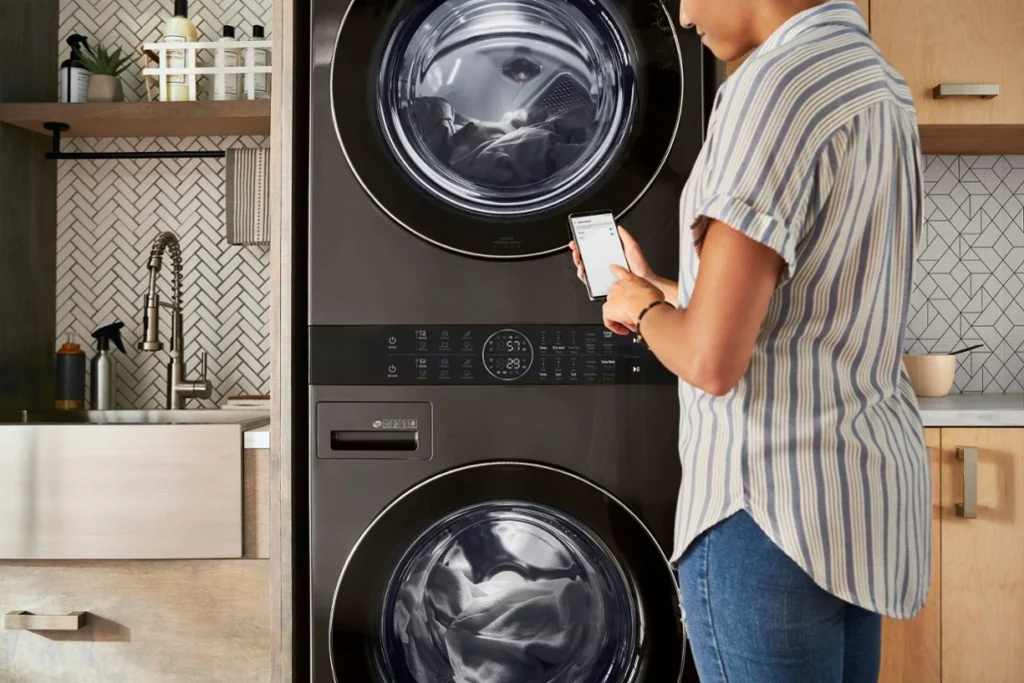
Companies competed to create better washing machines with:
- Faster motors
- Larger capacity
- Better spin cycles
- More wash settings
Famous appliance brands emerged globally, including:
- Whirlpool
- Bosch Home Appliances
- LG Electronics
- Samsung
By the late 20th century, washing machines were considered essential household appliances in many countries.
Front-Load vs Top-Load Machines
As designs evolved, two major washing machine styles became popular.
- Easier to load
- Faster wash cycles
- Lower initial cost
Front-Load Machines
These machines use a horizontal drum and tumble clothes gently.
Advantages:
- Better water efficiency
- Lower energy consumption
- Gentler fabric care
- Better cleaning performance
Different regions developed different preferences depending on cost, water availability, and lifestyle.
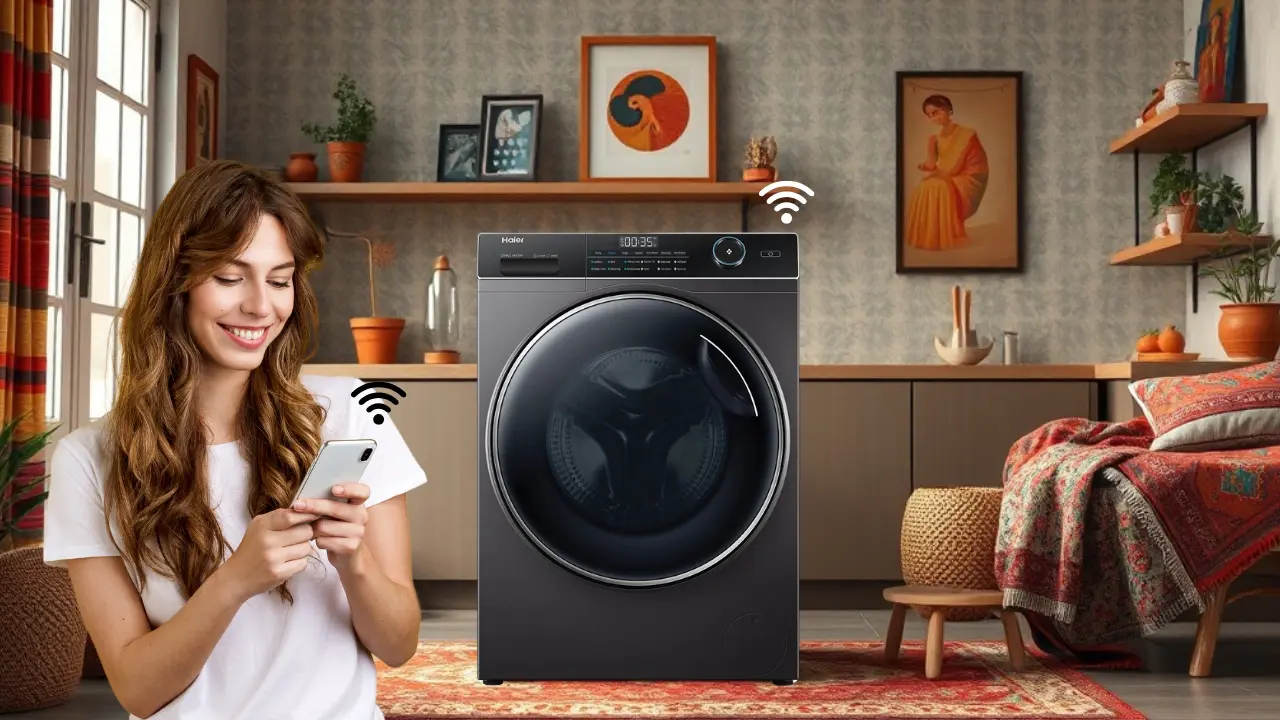
Smart Washing Machines and AI Technology
Today’s washing machines are far more advanced than early models.
Modern machines use:
- Artificial intelligence
- Sensors
- Wi-Fi connectivity
- Mobile applications
- Energy-saving technology
Some smart machines can:
- Detect fabric type
- Measure load weight
- Adjust water automatically
- Recommend wash cycles
- Send alerts to smartphones
What once required an entire day of labor can now be done automatically in less than an hour.
New washing machines aim to:
- Reduce water usage
- Lower electricity consumption
- Minimize detergent waste
- Extend clothing life
Eco-friendly innovations include:
- Inverter motors
- Cold-water washing
- Water recycling systems
- High-efficiency detergent technology
These improvements help households save money while protecting the environment.
The Social Impact of Washing Machines
It changed society itself.
Historians often describe the washing machine as one of the inventions that significantly reduced domestic labor and improved quality of life.
It:
- Saved countless hours
- Reduced physical exhaustion
- Improved hygiene standards
- Increased convenience
- Supported modern urban lifestyles
The Future of Washing Machines
The future of laundry technology may include:
- Fully robotic laundry systems
- Waterless cleaning technology
- AI-powered stain detection
- Voice-controlled appliances
- Solar-powered washing systems
Researchers are even exploring ultrasonic cleaning and nano-bubble washing technologies that use less water and energy.
Also Read….https://hindikhabra.in/the-invention-of-the-tube-light/
Disclaimer
All news on Hindi Khabra are computer generated and provided by third party sources, so read and verify carefully. Hindi Khabra will not be responsible for any issues.