

Table of Contents
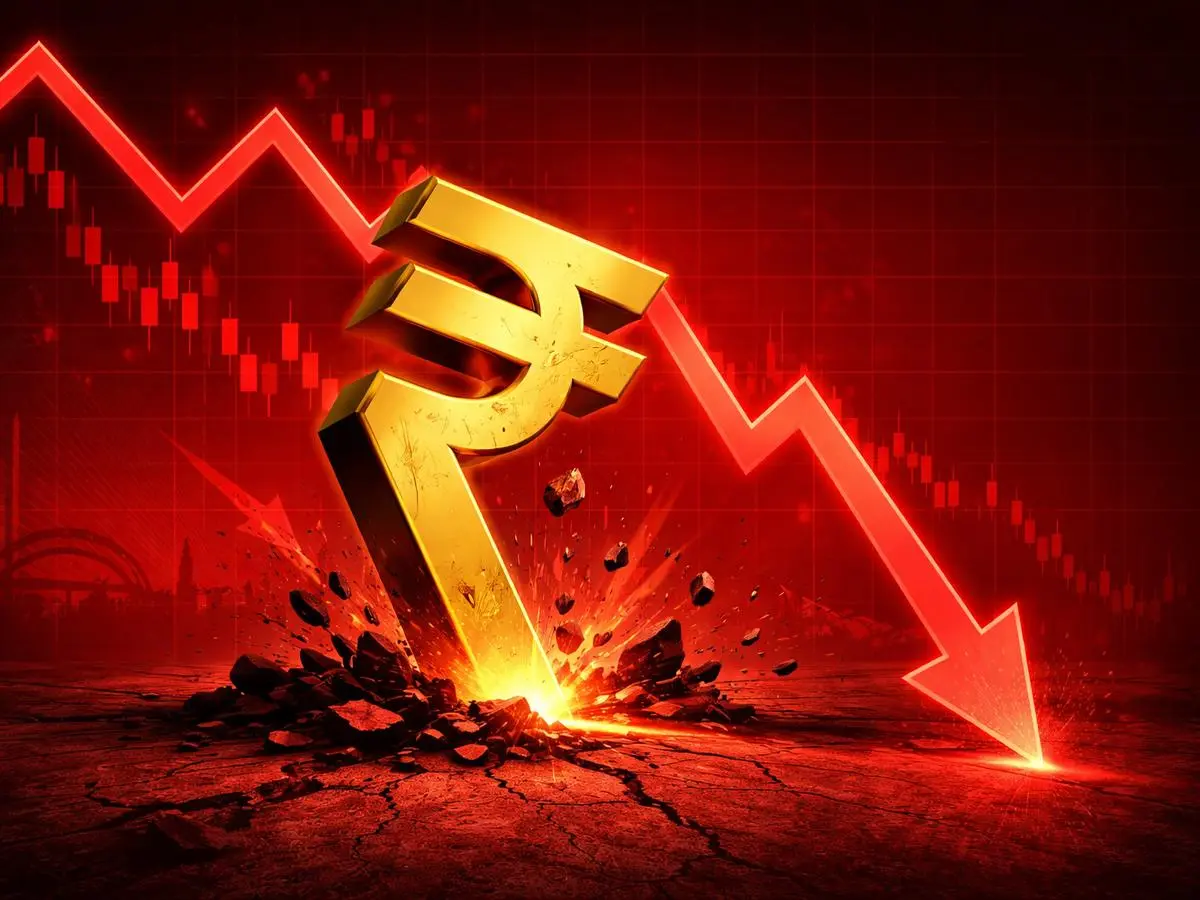
The Indian Rupee has been under pressure against the US dollar for several years, and in 2026 the topic has become even more important for businesses, investors, students, travelers, and common citizens. Many people are asking, “Why is the Indian Rupee falling against the dollar?” The answer is connected to global economics, inflation, oil imports, foreign investments, and the strength of the US economy.
A falling rupee means that more Indian currency is needed to buy one US dollar. For example, if ₹70 earlier bought 1 dollar and now ₹85 is required, it means the rupee has depreciated. This affects everything from fuel prices to imported electronics and even international education costs.
What Does Rupee Depreciation Mean?
“Rupee depreciation” simply means the Indian rupee loses value compared to another currency, mainly the US dollar. Currency exchange rates constantly change due to demand and supply in global markets.
ADVERTISEMENT
When the dollar becomes stronger and the rupee weakens, India needs to spend more money on imports such as
- Crude oil
- Gold
- Electronic goods
- Machinery
- International services
Since India imports a large amount of crude oil, a weaker rupee directly increases fuel prices and inflation.
Why Is the Indian Rupee Falling Against the Dollar?
There is no single reason behind rupee depreciation. Multiple economic and global factors contribute to the weakening of the Indian currency.
1. Strong US Dollar
One of the biggest reasons is the strengthening of the US dollar. The US economy remains one of the strongest in the world, and investors consider the dollar a safe currency during uncertain times.
When the US Federal Reserve increases interest rates:
- Investors move money into US assets
- Demand for Dollars rises
- Emerging market currencies like the Rupee weaken
A stronger dollar automatically puts pressure on the Indian rupee.
ADVERTISEMENT
2. Rising Crude Oil Prices
India imports more than 80% of its crude oil needs. Oil purchases are usually made in US dollars.
When oil prices increase globally:
- India needs more Dollars to buy oil
- Demand for Dollars rises
- Rupee weakens further
High crude oil prices are one of the biggest reasons behind currency depreciation in India.
3. Inflation in India
Inflation reduces the purchasing power of a currency. If inflation in India remains higher than in developed countries like the United States, the value of the rupee naturally declines over time.
ADVERTISEMENT
Higher inflation means:
- Goods become expensive
- Currency loses purchasing power
- Investors become cautious
This negatively impacts the Rupee’s strength.
4. Foreign Investors Pulling Money Out
Foreign Institutional Investors (FIIs) invest heavily in Indian stock markets. During global uncertainty, investors often withdraw money from emerging markets and shift funds to safer investments like US Treasury bonds.
When FIIs sell Indian assets:
- They convert Rupees into dollars.
- Dollar demand rises
- Rupee falls against the Dollar
Large foreign fund outflows can create sudden depreciation.
Image
Drag and drop an image, upload, or choose from your library. Upload Media Library Insert from URL
5. Trade Deficit
India imports more goods than it exports. This is called a trade deficit.
A large trade deficit means the following:
- India spends more Dollars on imports
- Dollar demand stays high
- Pressure increases on the Rupee
Imports like oil, electronics, and gold significantly impact India’s trade balance.
6. Global Economic Uncertainty
Events like wars, recessions, pandemics, and geopolitical tensions increase uncertainty in financial markets.
During uncertain times:
- Investors prefer safe assets
- US Dollar demand increases globally
- Emerging market currencies weaken
Global events often have a direct impact on the Indian rupee.
Effects of Rupee Depreciation on India
1. Higher Fuel Prices
Since crude oil is imported in dollars, a weaker rupee increases petrol and diesel prices in India.
2. Expensive Imported Goods
Products like:
- Smartphones
- Laptops
- Cars
- Luxury items
- Electronics
become more expensive when the rupee weakens.
3. Costlier Foreign Education and Travel
Students studying abroad and travelers face higher expenses because they need more rupees to buy dollars.
4. Inflation Increases
Import costs rise, which increases prices of goods and services across the economy.
5. Exporters Benefit
A weaker Rupee can help Indian exporters because Indian products become cheaper in international markets.
Industries that may benefit:
- IT services
- Textile exports
- Pharmaceutical exports
Can Rupee Depreciation Be Controlled?
The Reserve Bank of India (RBI) takes several steps to control excessive currency volatility.
These include:
- Selling Dollars from forex reserves
- Controlling inflation
- Adjusting interest rates
- Managing liquidity in the market
However, currency exchange rates are influenced by global conditions, so complete control is impossible.
Is Rupee Depreciation Always Bad?
Not always. Moderate depreciation can actually help exports and improve competitiveness. Many developed countries also allow controlled currency fluctuations.
But rapid depreciation can create the following:
- Inflation
- Economic instability
- Higher import bills
- Investor panic
The key is maintaining balance and stability.
Future Outlook for the Indian Rupee
India remains one of the fastest-growing major economies in the world. Long-term factors such as the following:
- Digital growth
- Manufacturing expansion
- Startup ecosystem
- Infrastructure investment
can support the rupee in the future.
However, short-term pressure may continue due to:
- Global interest rates
- Oil prices
- Inflation
- International conflicts
Experts believe the rupee will continue facing fluctuations depending on global economic conditions.
Final thoughts
So, Why Is the Indian Rupee Falling Against the Dollar? The main reasons include a strong US dollar, rising oil prices, inflation, foreign investor outflows, trade deficits, and global uncertainty. Currency depreciation is a normal part of global economics, but excessive weakness can affect businesses and everyday life in India.
Understanding the reasons behind rupee depreciation helps people make better financial decisions, whether related to investments, travel, imports, or business planning.
As India’s economy grows, the rupee may stabilize over time, but global financial conditions will continue to play a major role in determining its strength against the US dollar.
Disclaimer
All news on Hindi Khabra are computer generated and provided by third party sources, so read and verify carefully. Hindi Khabra will not be responsible for any issues.