

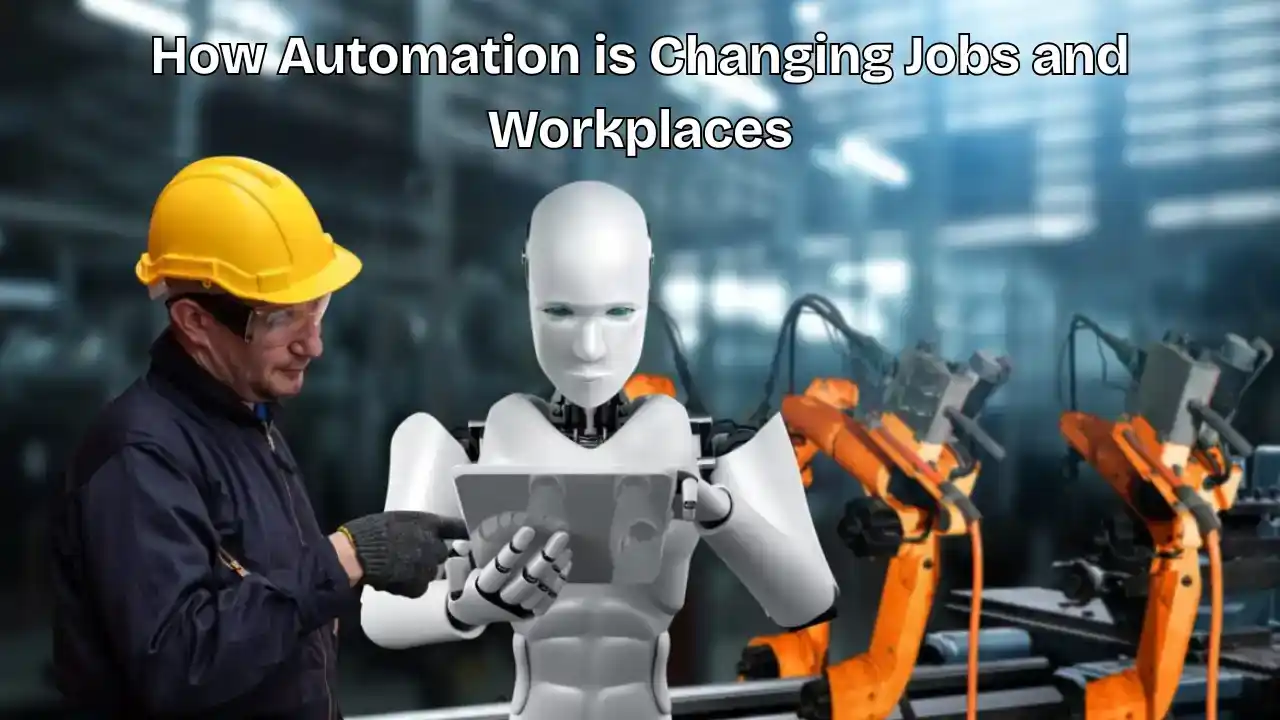
Automation is rapidly transforming modern workplaces by improving efficiency, productivity, and accuracy. Businesses across many industries are adopting automated systems and smart technologies to handle repetitive tasks that once required a lot of manual effort. These technologies allow companies to complete work faster, reduce human errors, and lower operational costs. As a result, automation is becoming an essential part of how organizations operate in today’s competitive business environment.
Automation refers to the use of technology, software, and machines to perform tasks with minimal human involvement. From simple scheduling tools to advanced robotics and artificial intelligence, automation is helping companies streamline their daily operations. Many routine tasks such as data entry, report generation, customer responses, and inventory tracking can now be completed automatically. This not only saves time but also allows employees to focus on more important responsibilities.
One of the major benefits of automation is increased productivity. Automated systems can work continuously without breaks, which allows businesses to maintain consistent performance. For example, in manufacturing industries, automated machines can assemble products, monitor quality, and manage production lines with great precision. This improves the speed of production and reduces the chances of defects. Workers in these environments can then focus on supervising operations, solving technical issues, and improving processes rather than performing repetitive physical tasks.
Automation is also making a strong impact in sectors such as customer service, logistics, and retail. Many companies now use chatbots and automated messaging systems to handle common customer questions. These tools can provide quick responses to customers at any time of the day. In logistics and supply chain management, automation helps track shipments, manage warehouse inventory, and plan delivery routes more efficiently. By using automated systems, companies can reduce delays and improve the overall customer experience.
In office environments, automation tools are helping businesses manage everyday administrative work more effectively. Software solutions can schedule meetings, send reminders, organize emails, and manage digital documents. Human resources departments also use automated systems for tasks like employee onboarding, payroll management, and performance tracking. These technologies reduce the workload on employees and allow them to focus on strategic planning and creative thinking.
While automation brings many advantages, it also raises concerns about job displacement. Some traditional roles that involve repetitive tasks may be reduced as machines and software take over those responsibilities. However, automation is not only replacing jobs; it is also creating new opportunities in different areas. As businesses adopt advanced technologies, there is a growing demand for professionals who can develop, manage, and maintain automated systems.
Also read- Cybersecurity Trends 2026: How to Protect Your Business from Online Threats
New job roles are emerging in fields such as artificial intelligence, data analysis, robotics engineering, and system management. Companies need skilled workers who can design automated processes, analyze large amounts of data, and improve technology-driven systems. This shift is encouraging many employees to learn new digital skills and adapt to changing workplace requirements.
Education and training will play an important role in preparing workers for this new era of automation. Many organizations are investing in employee training programs to help their workforce understand modern technologies. Learning skills related to data analysis, programming, digital tools, and problem-solving will help individuals stay competitive in the evolving job market.
In conclusion, automation is significantly reshaping jobs and workplaces around the world. By improving productivity, reducing costs, and streamlining operations, automation is helping businesses operate more efficiently. At the same time, it is changing the types of skills that employees need to succeed. While some jobs may disappear, many new opportunities are being created in technology-related fields. Workers who are willing to adapt, learn new skills, and embrace technology will be better prepared for the future of work.
Disclaimer
All news on Hindi Khabra are computer generated and provided by third party sources, so read and verify carefully. Hindi Khabra will not be responsible for any issues.