

Table of Contents
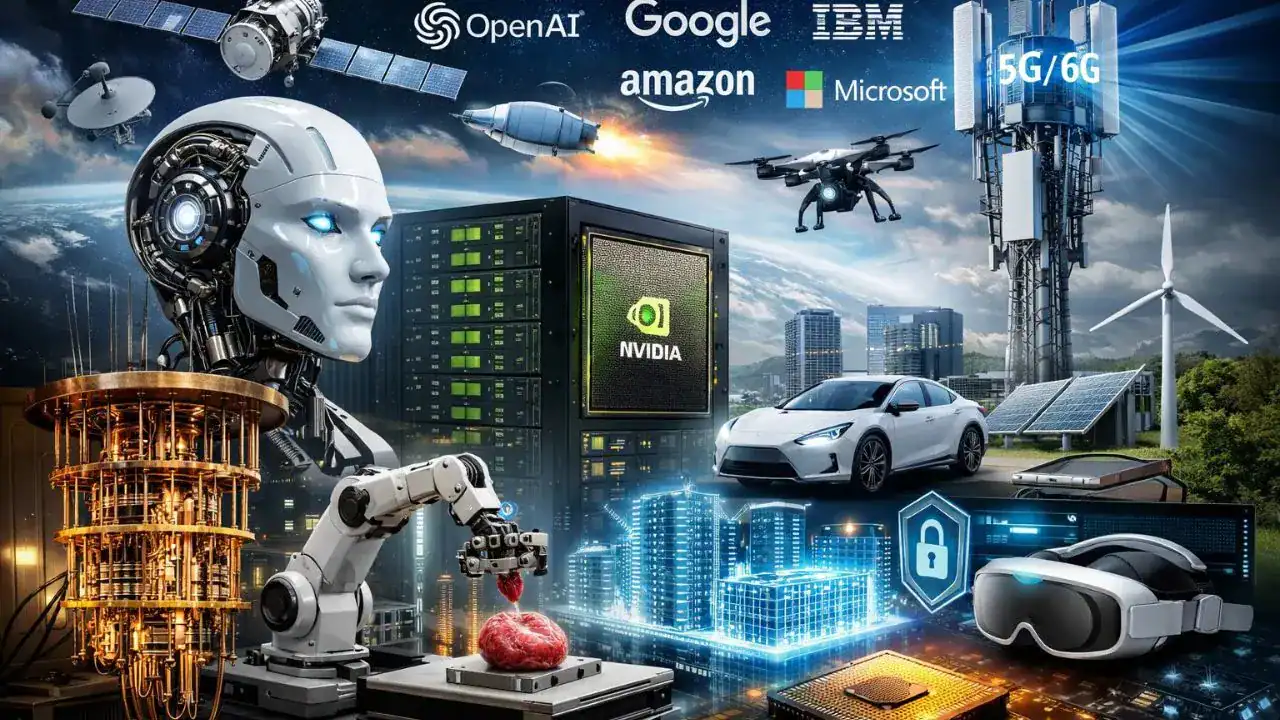
Technology is evolving faster than ever, and businesses that fail to keep up risk falling behind. Business technology trends 2026 are shaping the way companies operate, interact with customers, and stay competitive. From artificial intelligence to cloud computing, these trends are about smarter, faster, and more efficient ways to grow your business. Companies that embrace these trends can improve productivity, reduce costs, and deliver better customer experiences.
1. Artificial Intelligence and Machine Learning
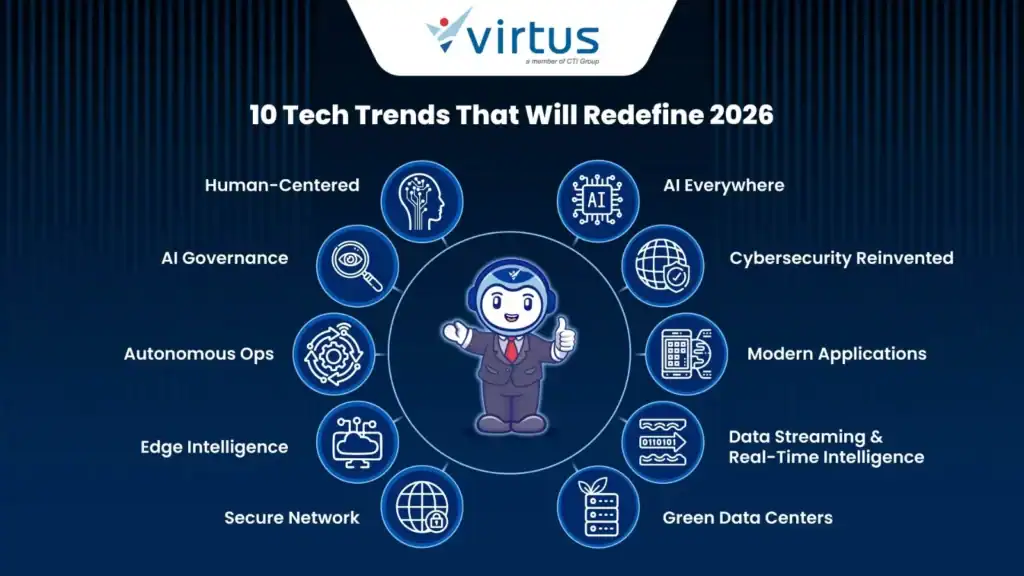
One of the most significant Business technology trends 2026 is artificial intelligence (AI) and machine learning (ML). Companies are using AI to automate routine tasks, analyze large data sets, and improve decision-making. For example, AI-powered chatbots can handle customer queries 24/7, while ML algorithms help predict market trends and customer behavior. AI is also used in marketing, sales forecasting, and fraud detection. Adopting AI saves time, reduces costs, and enhances overall efficiency, giving businesses a competitive edge.
2. Cloud Computing
Cloud computing continues to dominate Business technology trends 2026. It allows businesses to store data securely, access applications from anywhere, and scale resources as needed. Cloud solutions reduce the need for expensive hardware and provide flexibility for remote work. Companies increasingly adopt hybrid and multi-cloud strategies to improve performance, reliability, and security. Cloud technology also supports collaborative tools like document sharing, project management platforms, and virtual workspaces, making teams more productive.
3. Cybersecurity Enhancements
As technology evolves, cyber threats become more sophisticated. Strengthening cybersecurity is a crucial part of Business technology trends 2026 Companies invest in AI-driven threat detection, multi-factor authentication, and secure data encryption. Regular security audits, employee training, and endpoint protection are becoming standard practices. Protecting sensitive customer and business data is essential, as breaches can lead to financial loss and reputational damage.
4. Internet of Things (IoT)
The Internet of Things (IoT) is transforming how businesses collect and use data. Smart devices, sensors, and Business technology trends 2026 show IoT adoption increasing in supply chain management, manufacturing, and retail, helping companies improve efficiency and reduce costs. For example, IoT-enabled warehouses can track inventory automatically, reducing errors and saving time. Predictive maintenance using IoT also prevents equipment failures, saving businesses money.
5. Remote Work Technology
Remote work is here to stay. Tools that support collaboration, project management, and communication are a key part of Business technology trends 2026. Video conferencing software, virtual workspaces, and digital project management platforms help teams stay productive from anywhere. Investing in remote work technology allows companies to attract top talent and maintain operational continuity. It also reduces overhead costs and enables global hiring.
6. Blockchain Technology
Blockchain is no longer just for cryptocurrency. In business technology trends 2026, blockchain is used for secure transactions, supply chain transparency, and digital contracts. Leveraging blockchain reduces fraud, improves traceability, and builds trust with customers and partners. For instance, blockchain can track product origin, ensuring authenticity and quality in industries like luxury goods, pharmaceuticals, and food supply.
7. Automation and Robotics
Automation is transforming industries. Business technology trends 2026 highlight the growing use of robotics and automated systems in manufacturing, logistics, and customer service. Automation reduces human error, increases efficiency, and allows employees to focus on higher-value tasks. Automated assembly lines in factories speed up production while maintaining consistency. Similarly, automated customer support systems can handle repetitive inquiries, freeing up staff for more complex tasks.
8. Data Analytics and Business Intelligence
Data is the new currency. Companies that leverage data analytics and business intelligence gain a competitive edge. Business technology trends 2026 show that predictive analytics, real-time dashboards, and AI-driven insights are essential for strategic decision-making. Businesses can use data to understand customer behavior, forecast sales, optimize operations, and identify new opportunities. Data-driven decisions minimize risks and plan for future growth effectively.
9. Sustainable Technology
Sustainability is no longer optional. Eco-friendly technologies are emerging as a key part of business technology trends 2026. Companies are adopting energy-efficient hardware, green cloud solutions, and sustainable manufacturing practices. This reduces environmental impact and appeals to socially conscious customers. For example, using renewable energy and optimizing supply chains to lower carbon emissions are becoming standard practices for forward-thinking businesses.
10. Augmented Reality (AR) and Virtual Reality (VR)
AR and VR are reshaping industries like retail, real estate, and education. Business technology trends 2026 indicate that immersive technologies will enhance customer experiences, from virtual product demos to interactive training programs. Businesses using AR and VR can stand out and engage their audiences in innovative ways. For instance, real estate companies can offer virtual property tours, while retailers allow customers to visualize products in their own homes before purchase.
11. 5G Technology
The expansion of 5G networks is another key development in business technology trends 2026. Faster internet speeds and lower latency revolutionize online business operations, video conferencing, and IoT applications. 5G allows companies to deploy more connected devices, improve remote collaboration, and enhance customer experiences with faster, real-time services.

FAQs About Business Technology Trends 2026
Q1: Why are business technology trends important?
A1: Staying updated with business technology trends 2026 helps companies remain competitive, improve efficiency, reduce costs, and deliver better customer experiences.
Q2: Which technology trend will impact businesses the most in 2026?
A2: Artificial intelligence (AI), cloud computing, and cybersecurity are expected to have the most significant impact on business operations.
Q3: How can small businesses adopt these trends?
A3: Small businesses can start with affordable cloud solutions, AI-powered tools, and cybersecurity measures. Gradually integrating automation, analytics, and remote work tools can boost efficiency.
Q4: Will these trends replace jobs?
A4: Automation may replace repetitive tasks, but it creates opportunities for skilled workers to focus on higher-value tasks, innovation, and strategic roles.
Q5: How can businesses stay updated on new technology trends?
A5: Following industry blogs, attending tech conferences, subscribing to newsletters, and engaging with technology experts are effective ways to stay informed.
Q6: What is the biggest challenge in adopting new technology?
A6: Challenges include cost, employee training, system integration, and data security. Careful planning and gradual implementation can overcome these obstacles.
Final Thoughts
Keeping up with business technology trends 2026 is essential for every company. From AI & digital marketing and blockchain to AR/VR and sustainable tech, these trends are reshaping the way businesses operate and interact with customers. Companies that embrace these innovations early will gain a competitive edge, improve productivity, reduce costs, and achieve long-term growth.
Technology is no longer optional—it is the backbone of business success. Start implementing these trends today to stay ahead of the curve and thrive in 2026 and beyond.
Disclaimer
All news on Hindi Khabra are computer generated and provided by third party sources, so read and verify carefully. Hindi Khabra will not be responsible for any issues.