

Cloud Computing for Small Businesses: Benefits, Costs, and Best Platforms
Cloud computing for small businesses has changed the way companies store data, manage operations, and scale their services. Instead of investing in expensive servers and IT infrastructure, businesses can now access powerful computing resources online.
In 2026, cloud adoption is one of the biggest technology trends among startups and growing businesses.
What Is Cloud Computing?
Cloud computing allows businesses to store data and run applications on remote servers accessed via the internet. Instead of saving files on local computers, businesses store everything securely in the cloud.
This enables:
Remote access to files
Automatic backups
Scalable storage
Lower IT costs
Benefits of Cloud Computing for Small Businesses
Lower Operational Costs
Businesses no longer need to buy expensive hardware or maintain physical servers.
Scalability
Cloud services allow businesses to increase or decrease storage depending on their needs.
Improved Collaboration
Teams can access documents from anywhere, making remote work easier.
Enhanced Security
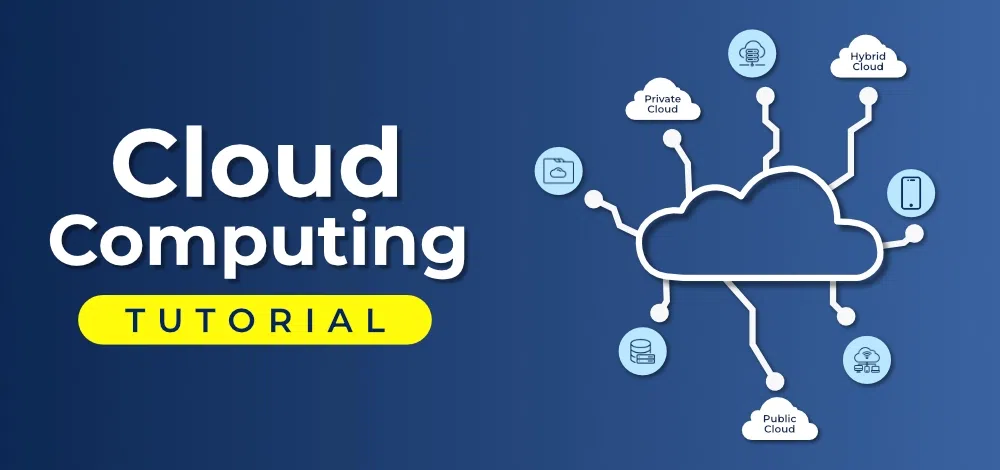
Major cloud providers invest heavily in cybersecurity.
Top Cloud Platforms in 2026
Amazon Web Services
AWS offers scalable infrastructure, storage solutions, and advanced analytics tools.
Microsoft Azure
Azure integrates smoothly with Microsoft products and is ideal for enterprise solutions.
Google Cloud
Google Cloud is known for AI integration and data analytics capabilities.
Cost of Cloud Computing
Cloud pricing depends on:
Storage usage
Bandwidth
Computing power
Additional services
Most small businesses spend between $50 and $300 per month depending on their needs.
Is Cloud Computing Secure?
Cloud platforms use:
Data encryption
Multi-factor authentication
Regular security updates
Advanced firewalls
However, businesses should also implement strong password policies and employee training.
Why Cloud Computing Is Essential in 2026
Remote work is becoming permanent in many industries. Cloud computing supports flexible work environments and improves operational efficiency.
Businesses that rely only on physical servers face higher maintenance costs and limited scalability.
Conclusion
Cloud computing for small businesses provides flexibility, cost savings, and improved security. In 2026, migrating to the cloud is one of the smartest technology decisions a company can make.
If you want to future-proof your business, adopting cloud solutions should be a top priority.
Disclaimer
All news on Hindi Khabra are computer generated and provided by third party sources, so read and verify carefully. Hindi Khabra will not be responsible for any issues.