

Table of Contents
The invention of fighter jets is one of the most important developments in the history of aviation and military technology. Fighter jets transformed air combat from slow-moving aerial dogfights into high-speed battles fought with advanced radar, missiles, and stealth systems. Today’s modern fighter aircraft are capable of flying faster than the speed of sound, avoiding radar detection, and carrying highly sophisticated weapons.
However, the journey toward modern fighter jets began more than a century ago with simple wooden aircraft powered by piston engines.
The Birth of Military Aviation
Before fighter jets existed, airplanes themselves were a brand-new invention. In 1903, Orville Wright and Wilbur Wright successfully flew the first powered aircraft. Their achievement opened the door to rapid advancements in aviation technology.
ADVERTISEMENT
At first, airplanes were mainly used for observation and transportation. But when World War I began, military leaders quickly realized the strategic importance of aircraft in warfare.
Early warplanes were used for:
- Reconnaissance missions
- Mapping enemy positions
- Delivering messages
- Artillery spotting
Soon, pilots began carrying pistols and rifles to attack enemy aircraft. This eventually led to the creation of specialized fighter planes designed specifically for aerial combat.
The First Fighter Aircraft
The earliest fighter aircraft were propeller-driven planes built from wood and fabric. These aircraft were lightweight but fragile and relatively slow compared to modern aircraft.
One major breakthrough came with the invention of synchronization gear, which allowed machine guns to fire through spinning propeller blades without hitting them. This innovation made fighter aircraft much more effective.
Some famous early fighter aircraft included the following:
ADVERTISEMENT
- Sopwith Camel
- Fokker Dr.
- SPAD S.XIII
Pilots during World War I became famous as “flying aces,” engaging in dramatic dogfights high above the battlefield.
Although these aircraft were revolutionary for their time, they still relied on piston engines and propellers, which had speed limitations. Engineers began searching for more powerful forms of propulsion.
The Need for Faster Aircraft
By the 1920s and 1930s, aviation technology had improved significantly. Aircraft became faster, stronger, and more aerodynamic. However, traditional propeller systems faced major limitations.
As aircraft approached higher speeds:
ADVERTISEMENT
- Propellers became less efficient
- Engines produced increasing drag
- Mechanical complexity increased
- Speed improvements became difficult
Scientists and engineers realized that a completely different propulsion system would be needed for the future of aviation.
This challenge led to the development of the jet engine.
The Invention of the Jet Engine
The jet engine was one of the greatest engineering achievements of the 20th century. Two engineers are mainly credited with independently developing practical turbojet engines:
- Frank Whittle from the United Kingdom
- Hans von Ohain from Germany
Frank Whittle’s Contribution
Frank Whittle was a British Royal Air Force officer who believed aircraft could travel much faster using jet propulsion instead of propellers. In 1930, he patented a design for a turbojet engine.
His engine worked by:
- Compressing incoming air
- Mixing the air with fuel
- Igniting the mixture
- Expelling hot gases at high speed to create thrust
This principle remains the foundation of modern jet engines today.
Hans von Ohain’s Contribution
At nearly the same time, German engineer Hans von Ohain developed a similar jet propulsion system independently. Working with the German aircraft company Heinkel, he successfully built and tested jet engines.
Although both men worked separately, their inventions changed aviation forever.
The First Jet Aircraft
The world’s first successful jet-powered aircraft was the Heinkel He 178, which flew in Germany in 1939.
This historic flight proved that jet propulsion was practical and effective.
The aircraft demonstrated several advantages over propeller planes:
- Higher speed
- Smoother flight
- Better high-altitude performance
- Greater future potential
Although the Heinkel He 178 was experimental, it marked the beginning of the jet age.
Fighter Jets in World War II
During World War II, countries raced to develop advanced military aircraft. Germany became the first nation to deploy operational jet fighters.
Messerschmitt Me 262
The Messerschmitt Me 262 was the first operational fighter jet used in combat.
Introduced by Germany in 1944, the Me 262 was far faster than Allied propeller aircraft. It could reach speeds over 800 km/h and carried powerful cannons.
Advantages of the Me 262 included:
- Exceptional speed
- Heavy firepower
- Difficult interception by enemy aircraft
However, Germany introduced the aircraft too late in the war to significantly change the outcome.
Gloster Meteor
Britain responded with the Gloster Meteor, the first operational Allied jet fighter.
The Meteor mainly defended Britain against German V-1 flying bombs and helped establish jet aviation for future military use.
The Jet Age After World War II
After World War II, jet technology advanced rapidly. Countries recognized that jet aircraft would dominate future warfare.
The period after the war saw major improvements in:
- Engine power
- Aerodynamics
- Radar technology
- Weapons systems
- Flight stability
Jet fighters became central to military strategy during the Cold War between the United States and the Soviet Union.
The Rise of Supersonic Fighter Jets
In the late 1940s and 1950s, engineers achieved another major milestone: supersonic flight.
Aircraft capable of flying faster than the speed of sound revolutionized air combat.
Important supersonic fighters included the following:
- MiG-21
- North American F-100 Super Sabre
- F-4 Phantom II
These aircraft following:
- Radar-guided missiles
- Advanced targeting systems
- Greater maneuverability
- Improved climb rates
Jet combat evolved from close-range dogfights into missile-based aerial warfare.
Technological Advancements in Modern Fighter Jets
Modern fighter jets are among the most advanced machines ever created. They combine multiple technologies into a single aircraft system.
Key technologies include the following:
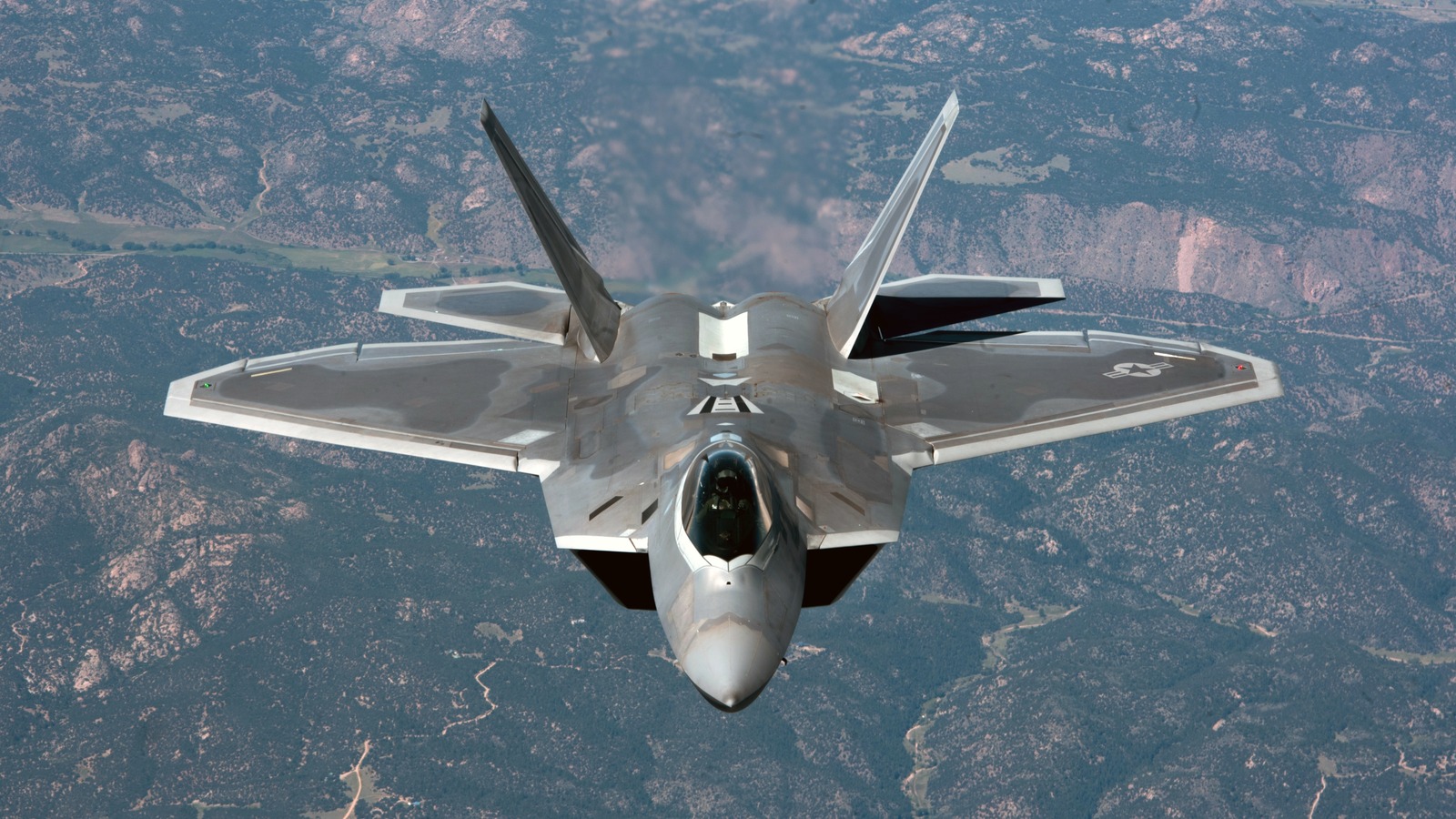
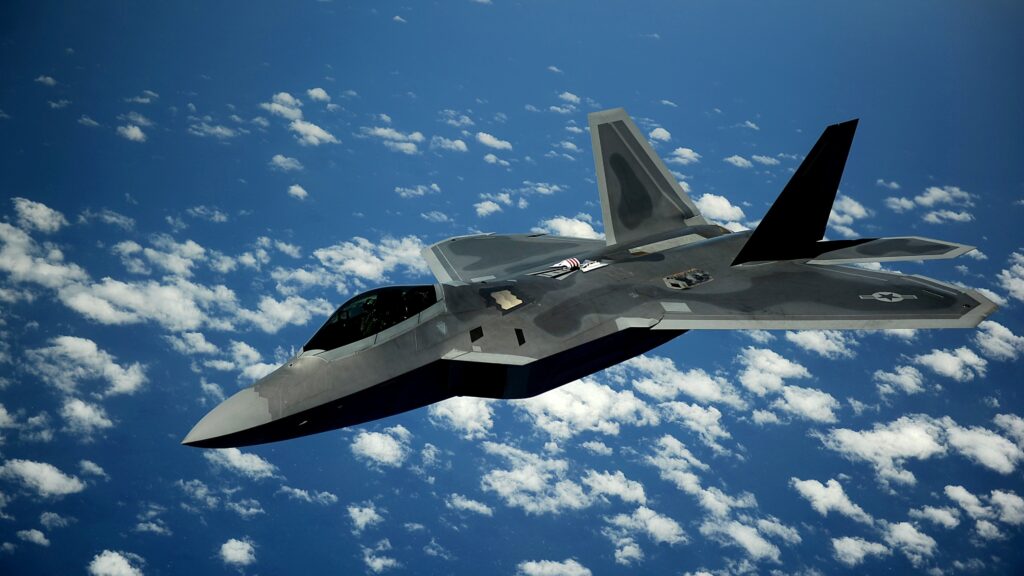
Stealth Technology
Stealth aircraft are designed to avoid radar detection. Special shapes and materials reduce radar reflections.
Examples include:
- F-22 Raptor
- Lockheed Martin F-35 Lightning II
Advanced Avionics
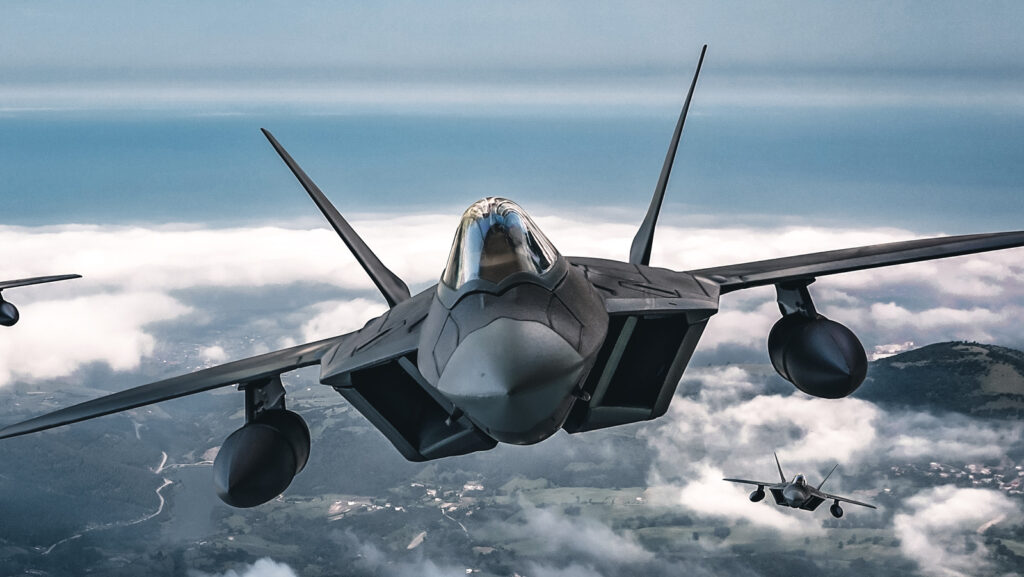
Modern fighters use sophisticated computer systems for the following:
- Navigation
- Target tracking
- Electronic warfare
- Communication
Precision Weapons
Today’s fighter jets carry the following:
- Guided missiles
- Smart bombs
- Long-range air-to-air weapons
Super Maneuverability
Aircraft such as the Sukhoi Su-57 are capable of performing highly complex aerial maneuvers.
The Role of Fighter Jets Today
Modern fighter jets perform many military roles:
- Air superiority
- Ground attack
- Reconnaissance
- Interception
- Electronic warfare
Countries invest billions of dollars into fighter jet development because control of the skies remains critical in modern warfare.
Nations including the United States, Russia, China, France, and India continue developing next-generation fighter aircraft with artificial intelligence, drone integration, and advanced stealth capabilities.
Future of Fighter Jets
The future of fighter jets may include:
- Artificial intelligence-assisted combat
- Unmanned fighter drones
- Hypersonic aircraft
- Directed-energy weapons
- Enhanced stealth systems
Sixth-generation fighter programs are already being developed around the world.
These future aircraft are expected to be faster, smarter, and more connected than ever before.
Also Read….https://hindikhabra.in/the-rise-of-world-superpower-the-united-states/
Disclaimer
All news on Hindi Khabra are computer generated and provided by third party sources, so read and verify carefully. Hindi Khabra will not be responsible for any issues.