


The first car in the world changed transportation forever and became one of the greatest inventions in human history. Before automobiles were invented, people depended on horses, carts, bicycles, and trains for travel. Transportation was slow, difficult, and limited to short distances. Everything changed in the late 19th century when inventors began developing self-powered vehicles.
Today, cars are an important part of everyday life, but very few people know the complete story behind the first car in the world. The invention of the automobile started a new era of technology, industry, and global transportation.
Who Invented the First Car in the World?
The first car in the world is widely recognized as the Benz Patent-Motorwagen, invented by Karl Benz in 1885. Karl Benz was a German engineer who dreamed of creating a vehicle that could move without horses.
ADVERTISEMENT
His invention used a gasoline-powered internal combustion engine, making it the first practical automobile ever created. In 1886, Karl Benz received an official patent for his invention, which is why many historians consider the Benz Patent-Motorwagen the true beginning of modern cars.
The vehicle had three wheels, a lightweight frame, and a small engine that produced less than one horsepower. Although it looked very simple compared to today’s vehicles, it completely transformed transportation history.
The Design of the First Automobile
The design of the first car in the world was very different from modern automobiles. The Benz Patent-Motorwagen had:
- Three wire-spoke wheels
- A single-cylinder gasoline engine
- Chain drive system
- Wooden body structure
- Simple steering mechanism
- Maximum speed of around 16 km/h
At that time, even this speed seemed revolutionary. People had never seen a machine move on roads without horses pulling it. Many were shocked and excited when the vehicle appeared in public.
Karl Benz focused on building a practical automobile instead of modifying horse carriages. This made his invention unique and highly advanced for its time.
Bertha Benz and the First Long-Distance Drive
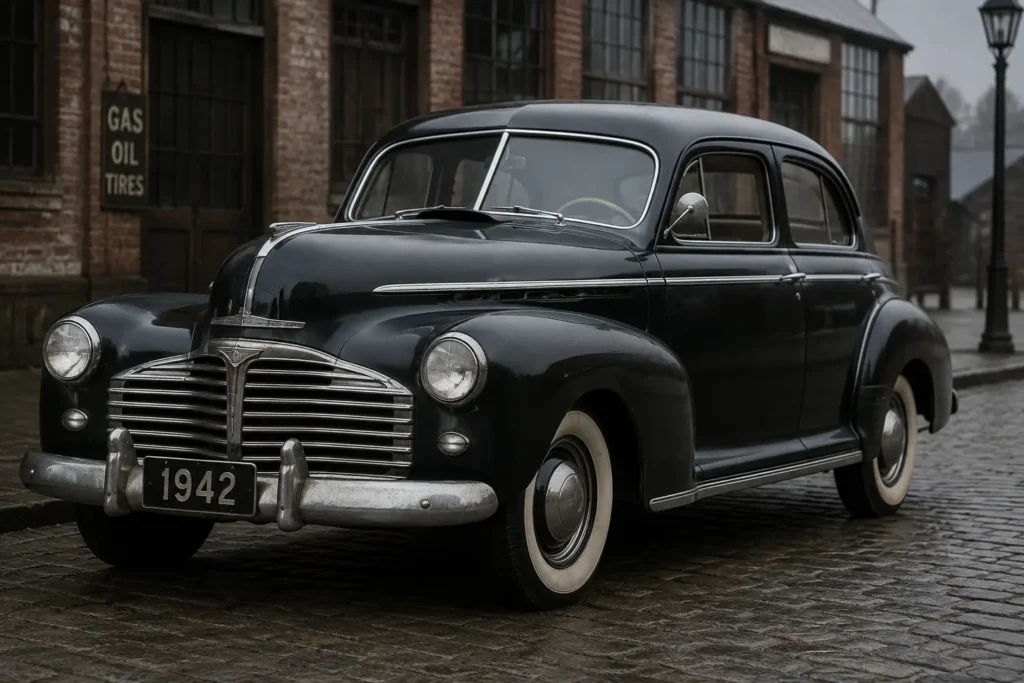
The success of the first car in the world was also connected to Bertha Benz, the wife of Karl Benz. In 1888, she made history by completing the first long-distance automobile journey.
ADVERTISEMENT
Bertha drove the Benz Patent-Motorwagen from Mannheim to Pforzheim in Germany, traveling more than 100 kilometers. This journey proved that automobiles could be reliable for long-distance travel.
During the trip, she solved several mechanical problems herself and even stopped at pharmacies to buy fuel because fuel stations did not exist at that time. Her journey became one of the most important moments in automobile history.
How the First Car Changed the World
The invention of the first car in the world completely transformed society. Before automobiles, travel was slower and less convenient. The automobile created new opportunities for businesses, industries, and personal transportation.
Some major impacts included:
ADVERTISEMENT
Faster Transportation
People could travel longer distances in less time. This improved trade, communication, and daily life.
Growth of Industries
The automobile industry created millions of jobs worldwide. Factories, fuel companies, repair shops, and road construction industries expanded rapidly.
Technological Innovation
The success of early automobiles encouraged engineers to develop better engines, safety systems, and modern transportation technologies.
Urban Development
Cities began building roads, highways, and traffic systems designed specifically for automobiles.
The first car in the world became the foundation of today’s global automotive industry.
Evolution of Cars After the First Automobile
After the invention of the Benz Patent-Motorwagen, many companies and inventors started improving automobile technology. Vehicles became faster, safer, and more comfortable.
Some major developments included:
- Four-wheel designs replacing three-wheel models
- More powerful engines
- Electric starters
- Better braking systems
- Modern steering technology
- Luxury interiors and advanced safety features
Companies such as Ford Motor Company played a major role in making cars affordable for ordinary people. Mass production techniques introduced by Henry Ford helped automobiles become popular worldwide.
Why the First Car in the World Is Still Important
Even today, the first car in the world remains an important symbol of innovation and engineering excellence. The Benz Patent-Motorwagen showed that human creativity could completely change transportation.
Modern cars now include:
- Electric engines
- Artificial intelligence features
- GPS navigation
- Self-driving technology
- Advanced safety systems
However, all these advancements started with the simple idea created by Karl Benz in the 1880s.
The history of the first automobile reminds us how one invention can change the future of the entire world.
Conclusion
The story of the first car in the world is one of innovation, determination, and technological progress. The invention of the Benz Patent-Motorwagen by Karl Benz marked the beginning of the modern automobile era.
From a simple three-wheeled vehicle to today’s advanced electric and self-driving cars, the automobile industry has come a long way. Yet the importance of the first automobile remains unmatched in human history.
The first car in the world did not just change transportation — it changed civilization itself.
The first car in the world changed transportation forever and became one of the greatest inventions in human history. Before automobiles were invented, people depended on horses, carts, bicycles, and trains for travel. Transportation was slow, difficult, and limited to short distances. Everything changed in the late 19th century when inventors began developing self-powered vehicles.
Today, cars are an important part of everyday life, but very few people know the complete story behind the first car in the world. The invention of the automobile started a new era of technology, industry, and global transportation.
Who Invented the First Car in the World?
The first car in the world is widely recognized as the Benz Patent-Motorwagen, invented by Karl Benz in 1885. Karl Benz was a German engineer who dreamed of creating a vehicle that could move without horses.
His invention used a gasoline-powered internal combustion engine, making it the first practical automobile ever created. In 1886, Karl Benz received an official patent for his invention, which is why many historians consider the Benz Patent-Motorwagen the true beginning of modern cars.
The vehicle had three wheels, a lightweight frame, and a small engine that produced less than one horsepower. Although it looked very simple compared to today’s vehicles, it completely transformed transportation history.
The Design of the First Automobile
The design of the first car in the world was very different from modern automobiles. The Benz Patent-Motorwagen had:
- Three wire-spoke wheels
- A single-cylinder gasoline engine
- Chain drive system
- Wooden body structure
- Simple steering mechanism
- Maximum speed of around 16 km/h
At that time, even this speed seemed revolutionary. People had never seen a machine move on roads without horses pulling it. Many were shocked and excited when the vehicle appeared in public.
Karl Benz focused on building a practical automobile instead of modifying horse carriages. This made his invention unique and highly advanced for its time.
Bertha Benz and the First Long-Distance Drive
The success of the first car in the world was also connected to Bertha Benz, the wife of Karl Benz. In 1888, she made history by completing the first long-distance automobile journey.
Bertha drove the Benz Patent-Motorwagen from Mannheim to Pforzheim in Germany, traveling more than 100 kilometers. This journey proved that automobiles could be reliable for long-distance travel.
During the trip, she solved several mechanical problems herself and even stopped at pharmacies to buy fuel because fuel stations did not exist at that time. Her journey became one of the most important moments in automobile history.
How the First Car Changed the World
The invention of the first car in the world completely transformed society. Before automobiles, travel was slower and less convenient. The automobile created new opportunities for businesses, industries, and personal transportation.
Some major impacts included:
Faster Transportation
People could travel longer distances in less time. This improved trade, communication, and daily life.
Growth of Industries
The automobile industry created millions of jobs worldwide. Factories, fuel companies, repair shops, and road construction industries expanded rapidly.
Technological Innovation
The success of early automobiles encouraged engineers to develop better engines, safety systems, and modern transportation technologies.
Urban Development
Cities began building roads, highways, and traffic systems designed specifically for automobiles.
The first car in the world became the foundation of today’s global automotive industry.
Evolution of Cars After the First Automobile
After the invention of the Benz Patent-Motorwagen, many companies and inventors started improving automobile technology. Vehicles became faster, safer, and more comfortable.
Some major developments included:
- Four-wheel designs replacing three-wheel models
- More powerful engines
- Electric starters
- Better braking systems
- Modern steering technology
- Luxury interiors and advanced safety features
Companies such as Ford Motor Company played a major role in making cars affordable for ordinary people. Mass production techniques introduced by Henry Ford helped automobiles become popular worldwide.
Why the First Car in the World Is Still Important
Even today, the first car in the world remains an important symbol of innovation and engineering excellence. The Benz Patent-Motorwagen showed that human creativity could completely change transportation.
Modern cars now include:
- Electric engines
- Artificial intelligence features
- GPS navigation
- Self-driving technology
- Advanced safety systems
However, all these advancements started with the simple idea created by Karl Benz in the 1880s.
The history of the first automobile reminds us how one invention can change the future of the entire world.
Conclusion
The story of the first car in the world is one of innovation, determination, and technological progress. The invention of the Benz Patent-Motorwagen by Karl Benz marked the beginning of the modern automobile era.
From a simple three-wheeled vehicle to today’s advanced electric and self-driving cars, the automobile industry has come a long way. Yet the importance of the first automobile remains unmatched in human history.
The first car in the world did not just change transportation — it changed civilization itself.
Disclaimer
All news on Hindi Khabra are computer generated and provided by third party sources, so read and verify carefully. Hindi Khabra will not be responsible for any issues.