

Table of Contents
In today’s digital world, communication has become faster and more important than ever. From video calls and online classes to smart devices and remote work, people rely heavily on internet connectivity. One of the biggest advancements in this field is 5G Networks and Their Impact on Communication. This new generation of wireless technology is changing the way people connect, share information, and use digital services.
As technology continues to evolve, 5G is expected to play a major role in improving communication across the world. In this article, HindiKhabran explores how 5G technology works, its benefits, challenges, and its impact on modern communication.
What Are 5G Networks?
5G stands for the fifth generation of mobile network technology. It is the successor to 4G networks and offers much faster internet speeds, lower latency, and greater network capacity.
ADVERTISEMENT
Unlike previous generations, 5G is designed to support not only smartphones but also smart devices, autonomous vehicles, healthcare systems, and industrial applications. This makes it a powerful technology for the future of communication.
When discussing 5G Networks and Their Impact on Communication, it is important to understand that the technology enables faster data transfer and more reliable connections, allowing users to communicate without interruptions.
How 5G Improves Communication
One of the biggest advantages of 5G technology is speed. Users can download large files, stream high-quality videos, and participate in video conferences with minimal delays.
Here are some key ways 5G improves communication:
Faster Internet Speeds
5G networks can deliver speeds much higher than 4G. This allows users to access information instantly and enjoy smooth online experiences.
Reduced Latency
Latency refers to the delay between sending and receiving data. Lower latency means faster response times, which is essential for real-time communication such as video calls and online gaming.
ADVERTISEMENT
Better Network Capacity
As more people connect to the internet, network congestion becomes a challenge. 5G can support a larger number of connected devices without reducing performance.
These improvements highlight 5G Networks and Their Impact on Communication, making digital interactions more efficient and reliable.
Impact on Personal Communication
Communication between friends, families, and colleagues has changed significantly with the rise of digital technology. 5G further enhances these experiences.
Video calls become clearer and more stable, even in crowded network environments. Messaging applications work faster, and sharing photos, videos, and documents takes less time.
ADVERTISEMENT
With improved connectivity, people can stay connected regardless of their location. This demonstrates the positive influence of 5G Networks and Their Impact on Communication in everyday life.
Impact on Business Communication
Businesses depend on effective communication for success. Whether it is team collaboration, customer support, or virtual meetings, reliable connectivity is essential.
5G technology helps businesses by:
- Supporting high-quality video conferencing
- Improving cloud-based collaboration
- Enabling faster data sharing
- Enhancing remote work capabilities
As organizations continue to adopt digital tools, 5G Networks and Their Impact on Communication become increasingly important for productivity and efficiency.
Role of 5G in Smart Technologies
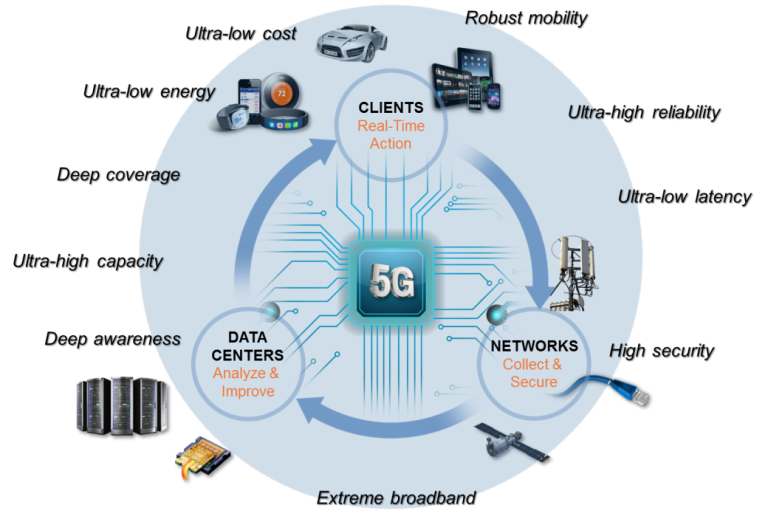
Smart devices are becoming common in homes, offices, and cities. These devices need stable and fast internet connections to function properly.
5G supports technologies such as:
- Smart homes
- Smart cities
- Wearable devices
- Connected vehicles
- Industrial automation
The ability to connect millions of devices simultaneously is one of the most significant aspects of 5G Networks and Their Impact on Communication.
Benefits for Education and Healthcare
The education and healthcare sectors are also benefiting from 5G technology.
In education, students can attend virtual classes, access digital resources, and collaborate online more effectively.
In healthcare, doctors can conduct remote consultations, monitor patients using connected devices, and access medical data quickly.
These advancements demonstrate how 5G Networks and Their Impact on Communication extend beyond personal use and contribute to social development.
Also Read – Is RBI Launching Plastic Currency Notes?
Challenges of 5G Adoption
Despite its advantages, the rollout of 5G technology faces several challenges.
Infrastructure Costs
Building 5G networks requires significant investment in equipment and infrastructure.
Coverage Limitations
In some rural and remote areas, 5G coverage may still be limited.
Security Concerns
As more devices become connected, cybersecurity becomes increasingly important.
Addressing these challenges will ensure that the benefits of 5G Networks and Their Impact on Communication can be enjoyed by a larger population.
The Future of 5G Communication
The future of communication looks promising with 5G technology. As networks expand and technology improves, users can expect even better connectivity and new digital experiences.
Emerging technologies such as artificial intelligence, virtual reality, and the Internet of Things will rely heavily on fast and reliable networks. This means 5G Networks and Their Impact on Communication will continue to grow in importance over the coming years.
Conclusion
The introduction of 5G technology marks a major step forward in the evolution of communication. With faster speeds, lower latency, and improved connectivity, it is transforming how people interact, work, learn, and access information.
From personal communication and business operations to healthcare and education, the benefits are significant. Although challenges remain, the future of connectivity is bright. Understanding 5G Networks and Their Impact on Communication helps us appreciate the role this technology plays in shaping a more connected and efficient world.
FAQs: 5G Networks and Their Impact on Communication
1. What is 5G technology?
5G is the fifth generation of mobile network technology. It provides faster internet speeds, lower latency, and better connectivity compared to previous network generations.
2. How does 5G improve communication?
5G improves communication by enabling faster data transfer, smoother video calls, quicker messaging, and more reliable internet connections. These improvements make communication more efficient and convenient.
3. Is 5G faster than 4G?
Yes, 5G is significantly faster than 4G. Users can experience quicker downloads, better streaming quality, and reduced delays when using online services.
4. How will 5G affect businesses?
Businesses can benefit from improved collaboration, better video conferencing, faster cloud access, and enhanced remote work capabilities. This helps increase productivity and operational efficiency.
5. What industries benefit from 5G technology?
Many industries benefit from 5G, including healthcare, education, transportation, manufacturing, and entertainment. The technology supports innovation and improves digital communication across sectors.
6. Are there any challenges associated with 5G?
Yes, challenges include infrastructure costs, limited coverage in some areas, and cybersecurity concerns. However, ongoing development is helping address these issues.
7. Why are 5G Networks and Their Impact on Communication important?
5G Networks and Their Impact on Communication are important because they enable faster, more reliable, and more efficient communication. This technology supports digital transformation and helps create a more connected world.
Disclaimer
All news on Hindi Khabra are computer generated and provided by third party sources, so read and verify carefully. Hindi Khabra will not be responsible for any issues.