

Table of Contents
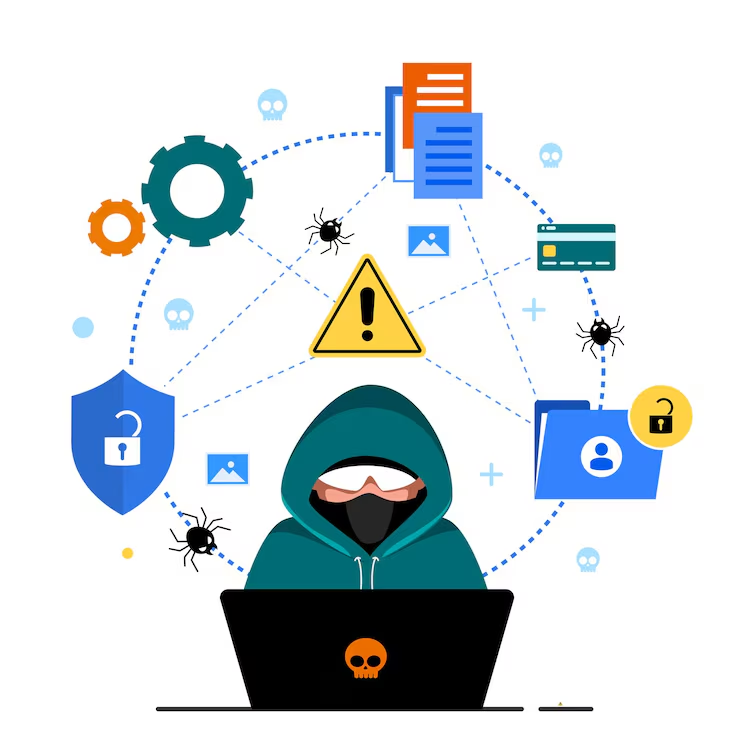
In today’s digital world, students use the internet every day for learning, gaming, social media, and communication. While the internet offers many benefits, it also comes with risks. That is why Cyber Safety for Students is becoming more important than ever. Students need to know how to stay safe online and protect their personal information from cyber threats.
From online scams to cyberbullying, many dangers exist on the internet. However, with the right knowledge and habits, students can use technology safely and confidently. In this blog, we will discuss simple and practical tips that help students stay secure online.
What is Cyber Safety?
Cyber safety means using the internet, mobile devices, and online platforms in a safe and responsible way. It helps protect users from cybercrime, hacking, identity theft, and harmful online activities.
ADVERTISEMENT
For students, cyber safety includes:
- Protecting passwords
- Avoiding fake websites
- Staying away from online scams
- Using social media carefully
- Respecting others online
Understanding Cyber Safety for Students helps young internet users avoid problems and enjoy a safer digital experience.
ALSO READ : Can AI Replace Hackers
Why Cyber Safety is Important for Students
Students spend many hours online for schoolwork and entertainment. Without proper safety awareness, they may accidentally share private information or become victims of cyber threats.
Here are some reasons why cyber safety matters:
1. Protects Personal Information
Students often share photos, email addresses, phone numbers, and school details online. Cybercriminals can misuse this information if it falls into the wrong hands.
ADVERTISEMENT
2. Prevents Cyberbullying
Cyberbullying is a serious issue among teenagers and school students. Safe online behavior can reduce harassment and create a healthier digital environment.
3. Avoids Online Scams
Many fake websites and messages try to trick users into sharing passwords or banking details. Learning cyber safety helps students identify scams.
4. Keeps Devices Secure
Viruses and malware can damage phones and computers. Safe browsing habits help protect devices from harmful software.
Because of these reasons, schools and parents should promote Cyber Safety for Students regularly.
ADVERTISEMENT
Simple Cyber Safety Tips for Student
Students do not need advanced technical knowledge to stay safe online. Following a few simple habits can make a big difference.
Use Strong Passwords
Always create strong passwords using letters, numbers, and symbols. Avoid using easy passwords like “123456” or your name.
Never Share Personal Information
Do not share your address, phone number, passwords, or school information with strangers online.
Think Before Clicking
Avoid clicking on unknown links or downloading files from suspicious websites.
Use Trusted Websites
Students should only visit trusted educational and safe websites while studying online.
Be Careful on Social Media
Do not post private photos or personal details publicly. Always check privacy settings on social media accounts.
Report Cyberbullying
If someone behaves badly online, students should report it to parents, teachers, or trusted adults immediately.
These simple steps improve Cyber Safety for Students and reduce online risks.
Role of Parents and Teachers
Parents and teachers play an important role in teaching cyber safety. Students learn better when adults guide them properly.
Parents can:
- Monitor internet usage
- Teach safe online habits
- Set screen time limits
- Talk openly about online dangers
Teachers can:
- Include cyber safety lessons in school
- Teach students about online ethics
- Encourage safe internet practices
Working together can create better awareness about Cyber Safety for Students.

Common Online Threats Students Face
Students should also understand common cyber dangers. Some of the most common threats include:
Phishing
Fake emails or messages that try to steal passwords or personal information.
Hacking
Unauthorized access to online accounts or devices.
Cyberbullying
Using social media or messages to hurt or harass someone.
Fake Apps and Games
Some apps contain malware that can harm devices or steal data.
Identity Theft
Someone pretending to be another person online using stolen information.
Awareness of these risks improves Cyber Safety for Students and encourages responsible internet use.
Conclusion
Technology has become an important part of student life. While the internet provides many learning opportunities, students must also understand online safety. By following simple safety rules, students can protect themselves from cyber threats and enjoy a positive online experience.
Parents, teachers, and schools should continue spreading awareness about Cyber Safety for Students so that children can use the digital world safely and responsibly. Safe internet habits today can help students build a secure future tomorrow.
FAQs on Cyber Safety for Students
1. What is cyber safety for students?
Cyber safety for students means using the internet safely and responsibly. It includes protecting personal information, avoiding scams, and staying safe from cyberbullying and hackers.
2. Why is cyber safety important for students?
Cyber safety is important because students spend a lot of time online. Safe internet habits protect them from online scams, bullying, hacking, and identity theft.
3. How can students stay safe online?
Students can stay safe by using strong passwords, avoiding unknown links, not sharing personal details, and using trusted websites only.
4. What is cyberbullying?
Cyberbullying is when someone uses the internet, social media, or messages to hurt, threaten, or harass another person online.
5. What should students do if they face online threats?
Students should immediately inform parents, teachers, or trusted adults if they face cyberbullying, scams, or suspicious online activity.
6. How can parents help with cyber safety?
Parents can teach online safety rules, monitor internet use, and encourage open communication about online experiences.
7. What are strong passwords?
Strong passwords include letters, numbers, and symbols. They should be difficult to guess and should not include personal information like names or birthdays.
8. Can social media be dangerous for students?
Yes, social media can be risky if students share too much personal information or interact with strangers. Privacy settings and careful behavior can improve safety online.
Disclaimer
All news on Hindi Khabra are computer generated and provided by third party sources, so read and verify carefully. Hindi Khabra will not be responsible for any issues.